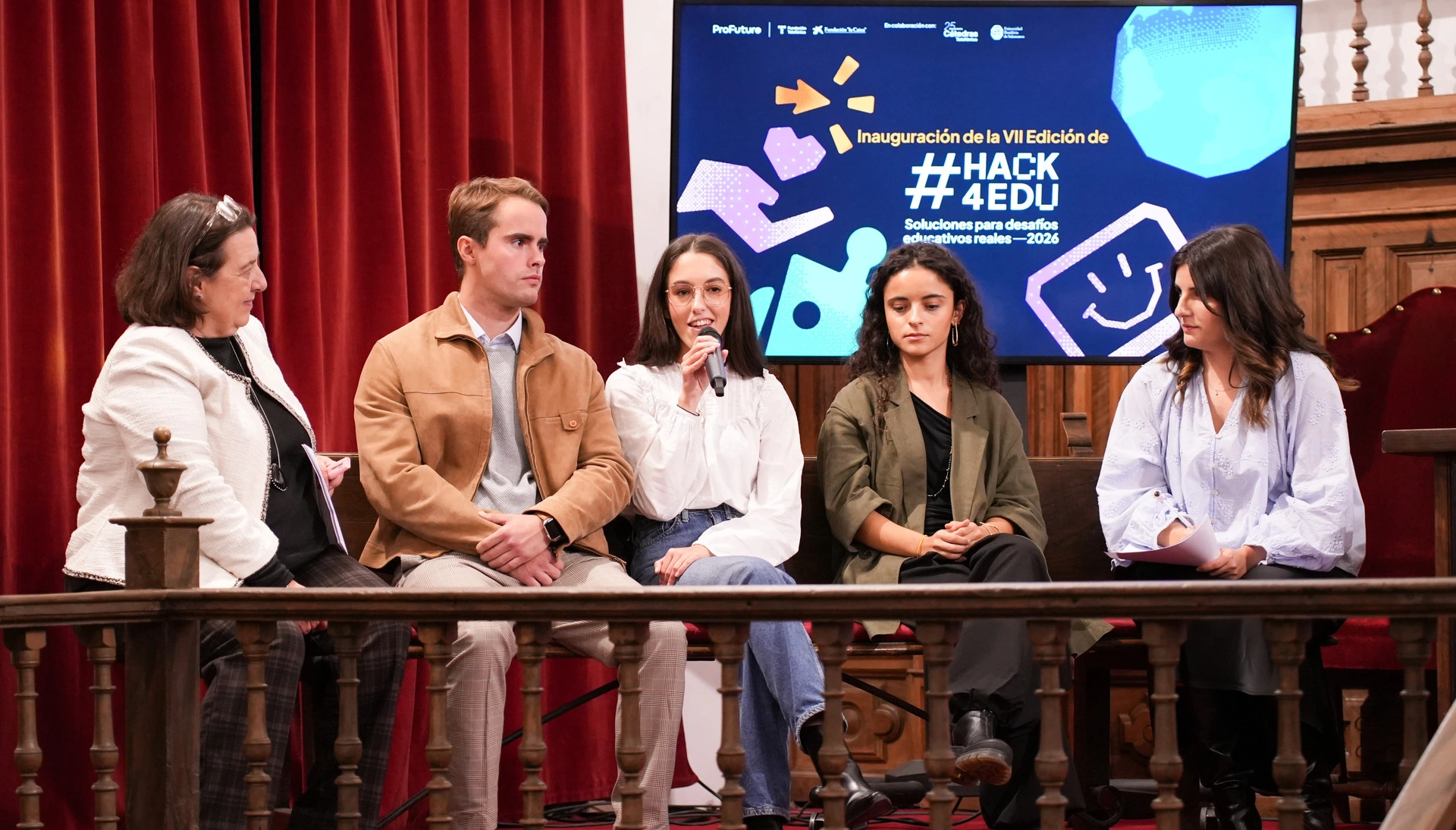
The seventh edition of Hack4Edu, the international hackathon organised by the Fundación Telefónica and the “la Caixa” Foundation through their ProFuturo programme, in collaboration with the Pontifical University of Salamanca and the Telefónica Chairs Network, has recognised the most innovative projects for applying emerging technologies to real-world educational challenges.
The participating teams have worked on solutions based on artificial intelligence, data analytics, automation and advanced digital tools to address some of the key challenges facing education today. The winning projects stand out for their ability to transform emerging technologies into useful, scalable and people-centred tools, with the potential to enhance the learning experience and broaden educational opportunities.
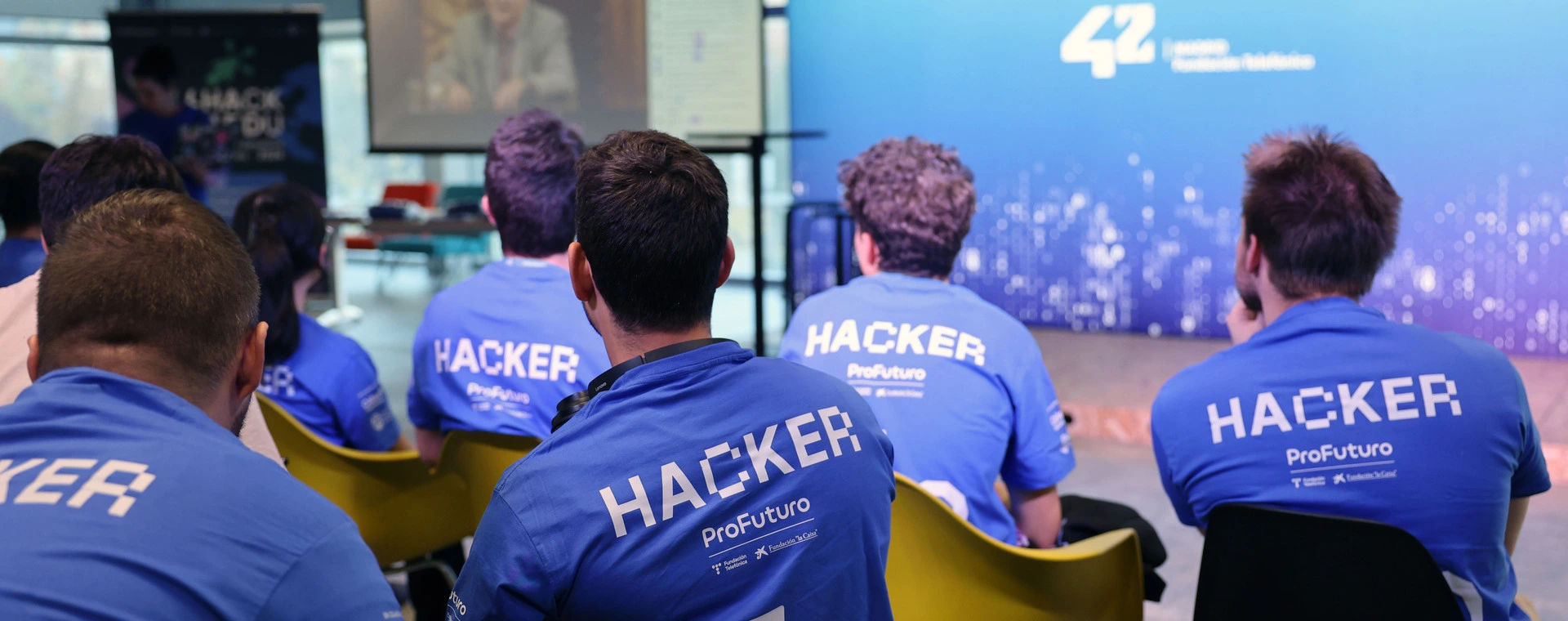
The closing ceremony, held at Fundación Telefónica’s Campus 42 in Madrid, brought together representatives from universities, partner organisations and participants from various countries to recognise the projects with the greatest potential for educational and social impact.
An international community for educational innovation
Since its inception in 2020, Hack4Edu has established itself as one of the leading international hackathons for technology-driven educational innovation, bringing together more than 3,000 participants from nearly 30 universities and a dozen countries.
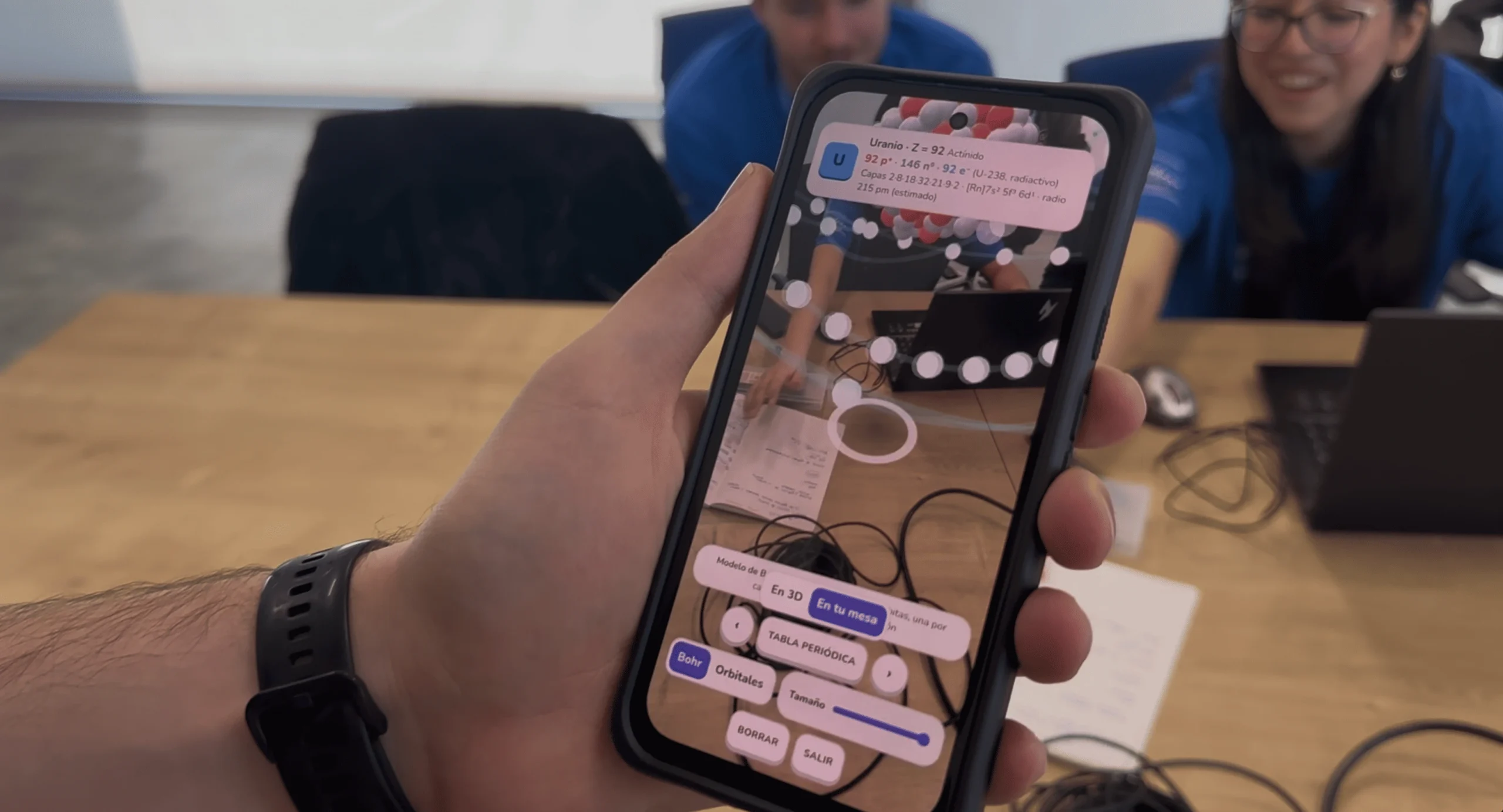
The 2026 edition has also strengthened its international dimension with the participation of new academic institutions and the inclusion of the 42Fundación Telefónica programming campuses, expanding a community that shares a common vision: to use technology to address educational and social challenges through collaboration, creativity and innovation.
Winning projects at Hack4Edu 2026
In the innovation category, first prize went to NEUROQUEST (Nezahualcóyotl Technological University, Mexico), an educational video game that combines adaptive learning and artificial intelligence to strengthen skills such as logical thinking, programming and reading comprehension. Second prize went to EchoDev, developed by teams from the Federal Institute of Santa Catarina and the Pontifical University of Campinas (Brazil), a tool that adapts teachers’ explanations in real time to the needs of each student without increasing the teaching workload. Third prize went to PillaBot (Mexican Bicentennial University, Mexico), an app designed to promote the responsible use of artificial intelligence, critical thinking and digital literacy amongst children and young people.
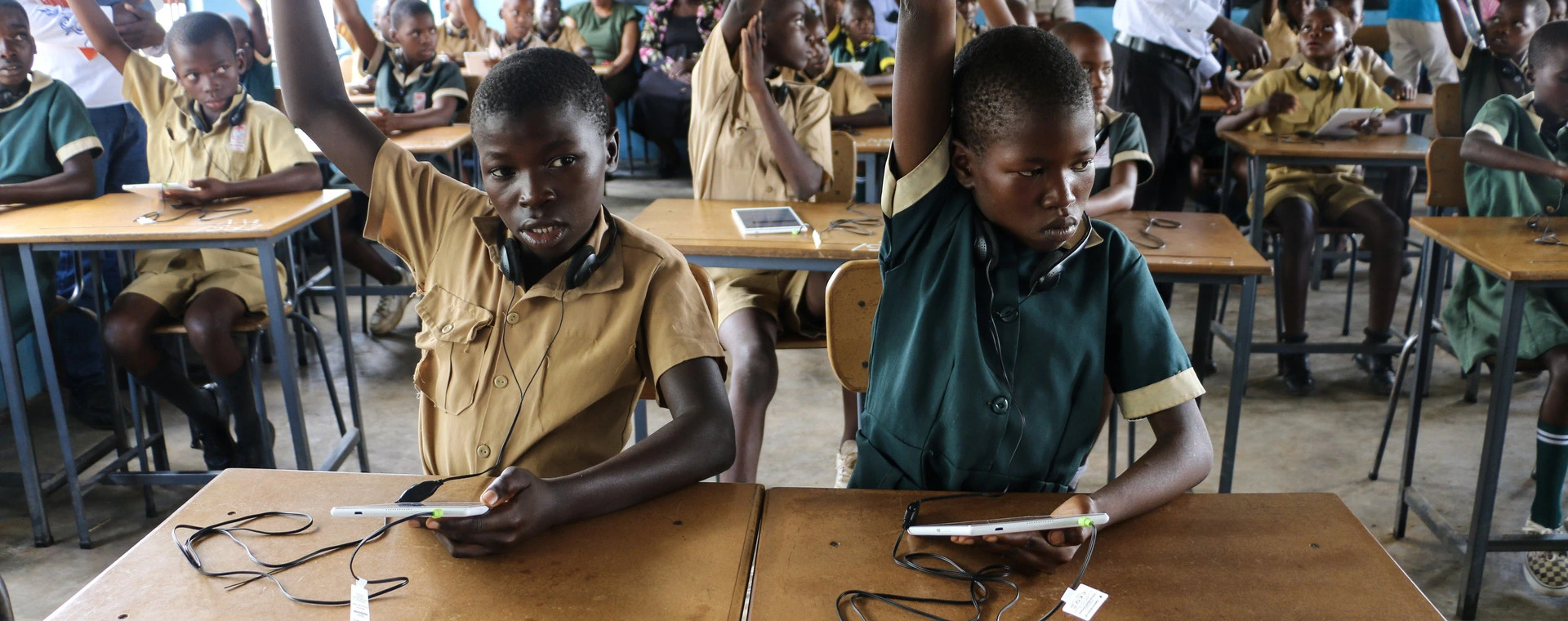
In the senior category, first prize went to Aprende+ (Technological University of Panama), an artificial intelligence-based solution that facilitates English language learning in areas without internet connectivity. Second prize went to PaquitoBot (TECSUP, Peru), a tool that helps identify academic difficulties at an early stage by analysing educational indicators.
Meanwhile, the ProFuturo Challenges recognised Twins For Change, from the Pontifical University of Salamanca, and Hack4Don, from the University of Salamanca, for their potential to generate social impact in vulnerable educational contexts.
From the hackathon to real-world impact
A new feature of this year’s event is that the winning teams will gain access to Wayra’s open innovation ecosystem, with the aim of accelerating the development of their proposals and exploring new opportunities for application in real-world settings.
As well as being in the running for over 7,000 euros in prizes, participants have received an official certificate from the Pontifical University of Salamanca (UPSA) and have had the opportunity to present projects with potential for academic and professional development.
With this 7th edition, Hack4Edu reaffirms its commitment to a more innovative and inclusive education that is connected to the challenges of the 21st century, demonstrating the role that young talent can play in building solutions with real-world impact.