Cristiano Ruiz
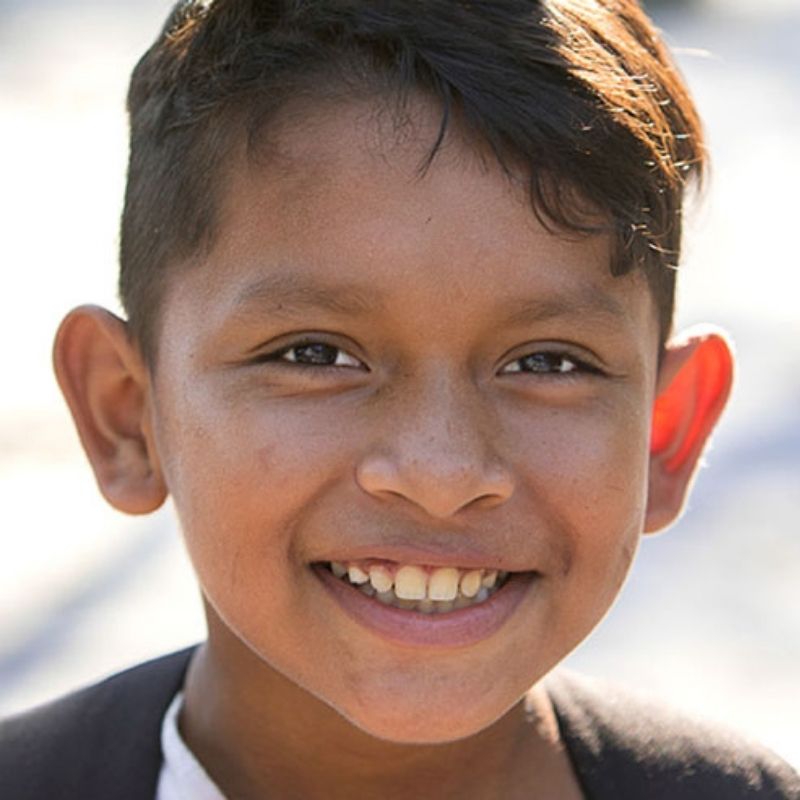
A student at the Kanata T-Ykua Municipal School in the Brazilian Amazon

A student at the Kanata T-Ykua Municipal School in the Brazilian Amazon
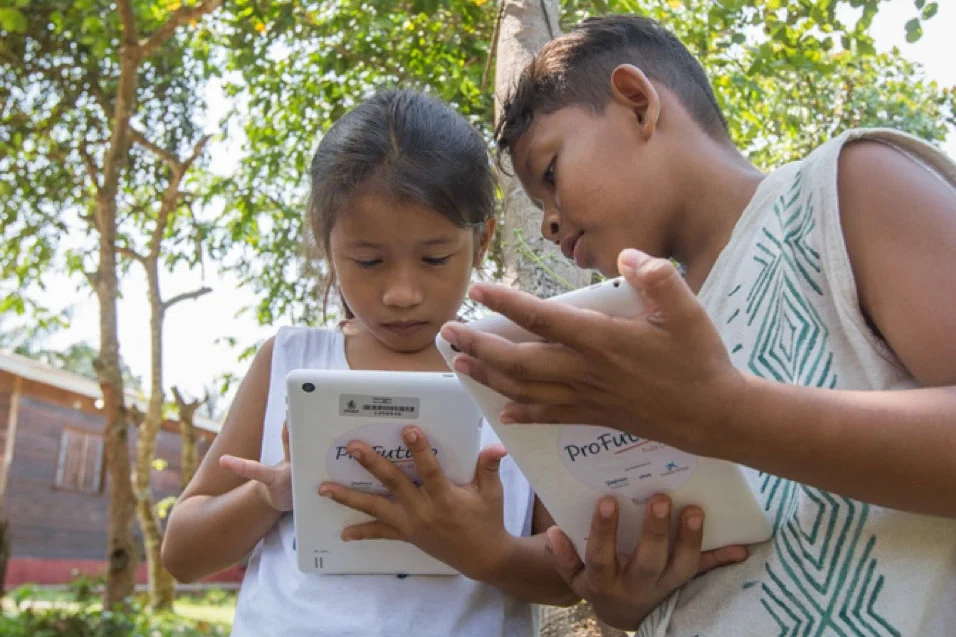
The Kanata T-Ykua Municipal School stands between the jungle and the river, sustained by the hope of a community that firmly believes education is its best tool for moving toward the future—a future that connects tradition with the global, oral storytelling with the most sophisticated technology, and makes equal opportunities a reality for girls and boys from the most disadvantaged communities.
After washing up, getting dressed, and eating fried plantains grown in his community for breakfast, Cristiano grabs his backpack, steps out of his small wooden house, and sets off for school, crossing a forest still damp from the night’s dew. He pauses to greet his ancestors, buried in the local cemetery. “Our grandparents protect us,” says the boy as he resumes his walk to class.
Maths are easier than anything else –much easier than the Kambeba language. I love it.
Cristiano is in fourth grade and already knows how to read and write. In class, he plays and interacts with his classmates, but always follows the rules and never defies the teacher. The indigenous school combines traditional knowledge—passed down from generation to generation—with a conventional curriculum. “Our people have a very strong oral tradition, so we do storytelling projects that bring to life the tales of Curupira, the Mother of the Forest, Boto…,” says Raimundo, who, in addition to being the school’s principal, is also one of the leaders in the revitalization of the Kambeba language. “Over time, these stories are forgotten, but the children need to know them. We also take the opportunity to teach the children about the traditional hunting and fishing tools used by indigenous peoples.”
The Impact of COVID-19 on Cristiano’s Story
Cristiano’s story is not unrelated to the pandemic. Brazil is one of the Latin American countries that has suffered the most from the consequences of COVID-19. UNICEF notes that families with children and adolescents were the hardest hit by the crisis. Lockdowns and the suspension of in-person classes have caused school dropout rates to skyrocket: according to a Datafolha study, 8.4% of students aged 6 and older who were enrolled before the pandemic (approximately 4 million) have dropped out of school.
Amazonas, the state where Cristiano lives, was the first to reopen public schools after five months of closure. Fortunately, the young boy had the opportunity to return to his routine as soon as possible. Hopefully, his story will also return to normal, and he can continue uninterrupted on the path to the future he deserves.