Emilia Claudete
Student at Nuestra Señora de Fátima School in Angola

Student at Nuestra Señora de Fátima School in Angola
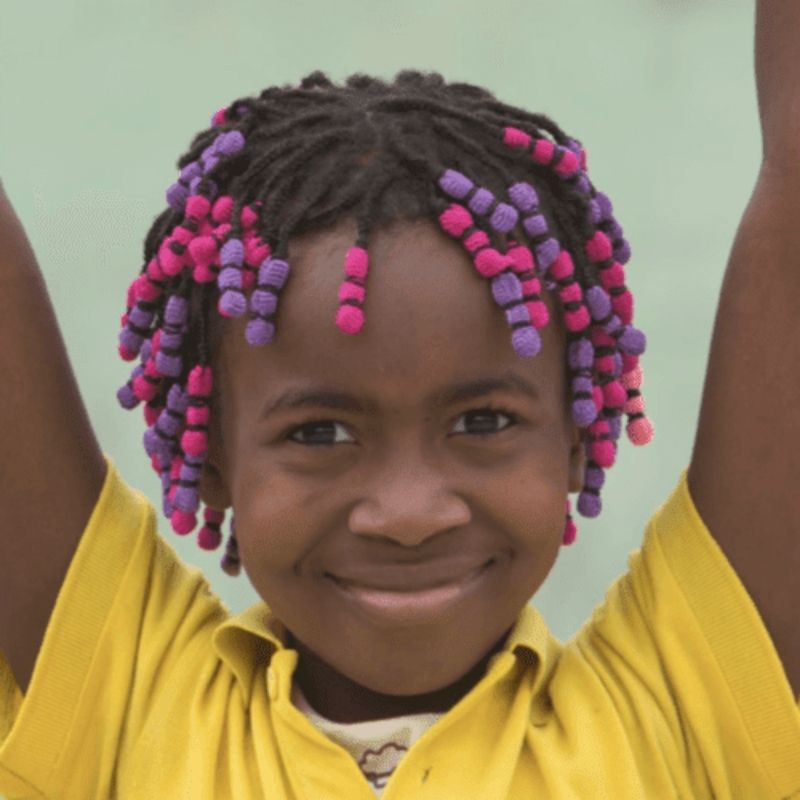
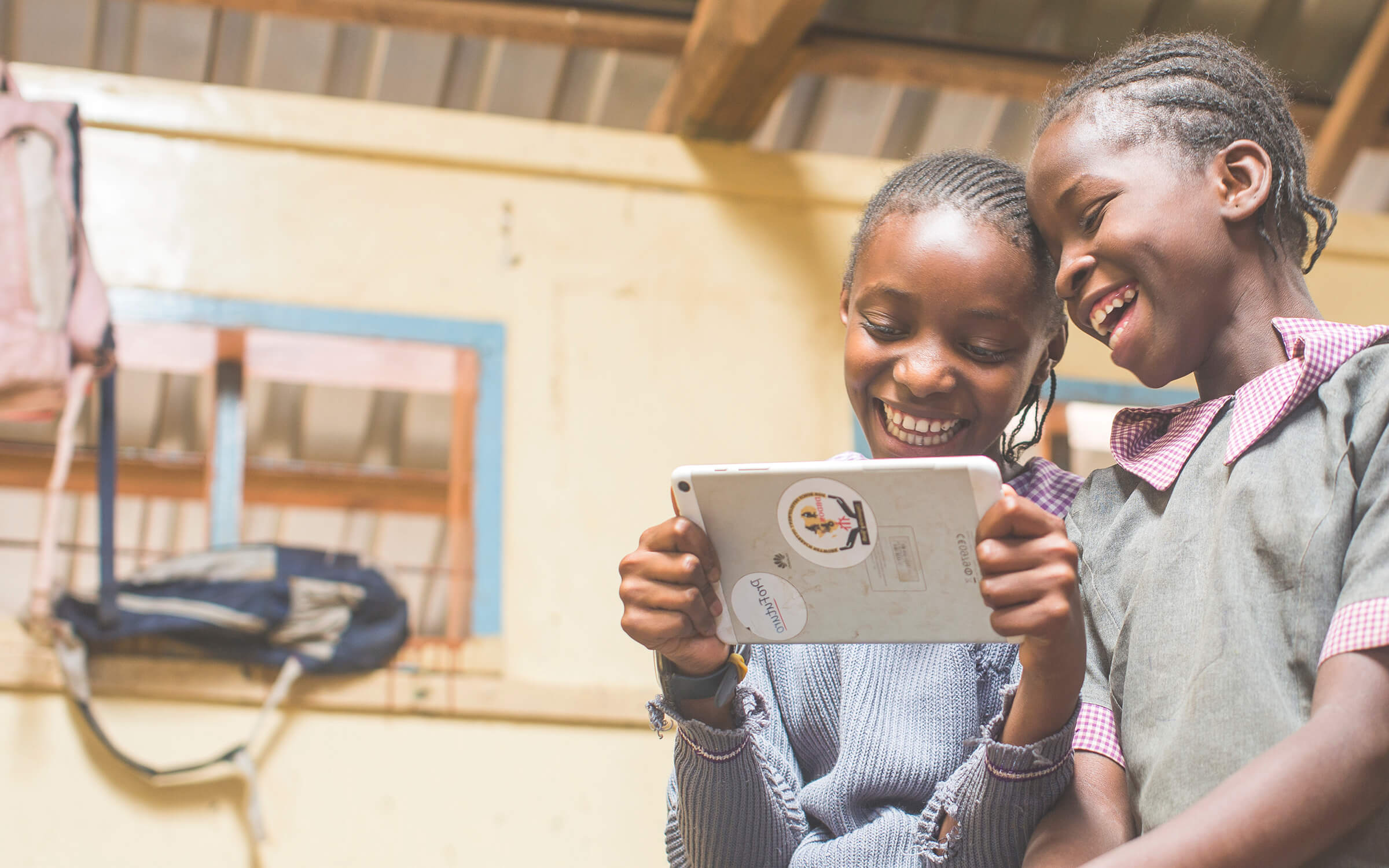
The tablet class is one of Emilia’s favorites. The teacher comes to the class and explains how to use the tablets to get the most out of them; this also allows him to see firsthand how effective the program is.
As a ProFuturo area coordinator, Manuel meets regularly with the teachers and principals of the five schools under his supervision to provide the in-person training they receive on a regular basis throughout the program, and to answer any questions they may have regarding the use of the digital learning platform designed by ProFuturo.
Emilia’s boundless curiosity and her endless barrage of questions—which she fires off like a machine gun at anyone who crosses her path—have led her to become friends with Manuel. When he visits the school, the area manager tries to answer, patiently and with a sense of humor, all the questions the girl asks him and explains the different functions of the tablets in the digital classroom.

Emilia’s day begins early, helping her mother with household chores, which include cleaning the house and fetching water for the family’s daily needs. When she’s finished, Emilia puts on her backpack and sets off for school—Nuestra Señora de Fátima School.
On their way to school, some of Emilia’s classmates have to make their way through mountains of rubble and trash, but they’re used to it by now and don’t pay much attention to the poverty around them because they have only one goal in mind: to learn and have fun with their classmates.
Emilia shares her enthusiasm for school with her friend Ana Bernarda Enoque, age twelve, whose family arrived in Luanda in 2000 fleeing the Civil War, which hit rural areas particularly hard—areas where numerous antipersonnel mines still lie buried today. Emilia and Ana often daydream out loud: they imagine a future in which they have a real house, made of bricks, and in which they enjoy the same rights as the rest of their male classmates.
After school, Emilia, Ana, and their classmates have fun on the way home: they play soccer or with toys made from cans and sticks, run back and forth, and so on. Children remain children even when they don’t live in the best environment for growing up; in fact, until recently, Angola was considered one of the most challenging countries for children. In 2015, Angola recorded 167 deaths of children under five per thousand births.
Emilia and Ana have fun getting lost among the vast forests of buildings under construction in their neighborhood. They sit down and share secrets, hide among the concrete blocks, and play at imagining that one of those homes is their house and that, thanks to school, education, and ProFuturo, their dream has come true.
Emilia’s life took a 180-degree turn in March 2020. Her daily routine was suddenly disrupted by the pandemic, forcing her and more than 11 million elementary and secondary school students out of the classroom. Fortunately, however, school closures are now a thing of the past. Angola is one of the African countries that has best weathered the impact of the virus. Thanks to its favorable epidemiological trend, classrooms began welcoming students back in February.
Since then, Emilia has once again been immersed in the adventure of learning, and we hope that her enthusiasm and eagerness to take on the world remain as strong as ever.
Until recently, Angola was considered one of the most challenging countries for children. In 2015, Angola recorded 167 deaths of children under five per 1,000 births.