iMlango, quality digital education in Kenya
In seven years, iMlango has improved the mathematics, literacy and life skills outcomes of nearly 300,000 children in Kenya, including 68,000 marginalised girls, in 245 schools.

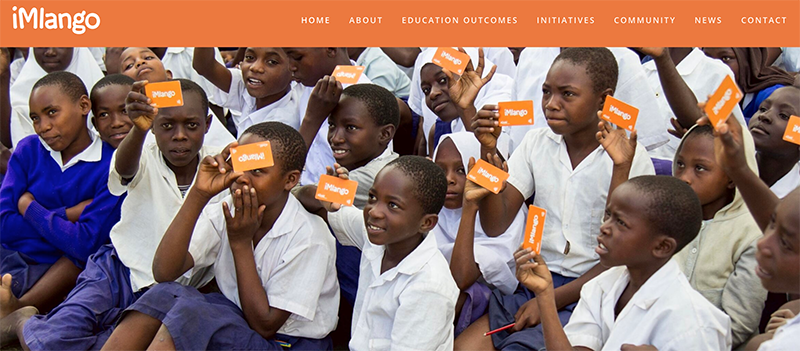
In seven years, iMlango has improved the mathematics, literacy and life skills outcomes of nearly 300,000 children in Kenya, including 68,000 marginalised girls, in 245 schools.
Did you know that one million children in Kenya do not attend school regularly due to socio-economic and environmental problems? For example, Martha, a 10-year-old girl who has to walk 16 kilometres to and from school every day, crossing a natural park that is quite dangerous due to the presence of wild animals. Or Mary who has to help her mother with the family business and household chores before getting on with her schoolwork.
In many parts of the world, including many countries in sub-Saharan Africa, barriers to education are high and numerous, barriers to education are high and numerous. Lack of basic infrastructure, materials and teachers are some of them. When it comes to digital education, most schools, teachers and students do not have access to digital learning tools or an Internet connection.
It is against this backdrop that iMlango, an initiative aimed at improving educational outcomes in mathematics, literacy and life skills for girls and boys in Kenya, was launched seven years ago. Since then, in several phases, it has reached 285,000 girls and boys, including just over 70,000 marginalised girls, in 245 schools (205 elementary schools and 40 secondary schools). The aim is to offer access to digital education services and content through a comprehensive educational technology programme.
Where?
iMlango has been implemented in schools that are located in rural or semi-urban settings in four counties in Kenya: Kajiado, Kilifi, Makueni and Uasin Gishu. Educational institutions were identified on the basis of various vulnerability criteria including: poverty rate, school absenteeism and educational opportunities for girls.
How?
iMlango is a comprehensive educational technology programme that aims to improve learning outcomes, enrolment and retention of Kenyan pupils through the delivery of:
The programme’s pillars
To bring about real changes and improvements in the lives of these children, iMlango works at three different but interrelated levels: individual, school environment, and home and community. iMlango’s actions have been based on five basic pillars in order for these changes to take place:
Debating competitions, children’s clubs, micro-credits and more

iMlango is a programme that goes far beyond technology. Thus, it encourages initiatives such as children’s clubs where members organise various activities that teach them socio-emotional skills, such as independence, respect for others, love of nature and care for the working environment, among many others, which they can apply to their daily lives debating competitions the debate competitions, an innovative and different way of strengthening students’ literacy skills, have proven to be very useful in improving the quality of English language learning and, at the same time, have significantly increased skills such as teamwork and gender equity microcredits provide some families with access to funds to support their children in school. These loans are conditional on children’s attendance and include awareness-raising activities on the importance of education and the importance of investing in their children’s education.
 ProFuturo Observatory Team
 The ProFuturo Observatory editorial team is made up of people from very diverse fields and backgrounds such as journalism, international relations, social psychology, philosophy and law. However, we are all united by one superpower: our firm belief in the transformative potential of education to change lives and make societies more just.
Go to biography Africa Brecha educativa y digital Stages, gaps and educational politics