We can finish our studies with good grades, get a job we like, enjoy a comfortable life and still feel deeply dissatisfied. We can know a lot about the world and understand very little about what is going on inside us. Or we can struggle to resolve a conflict, cope with frustration or build healthy relationships with those around us. Why do we take it for granted that we must learn to do all of these things on our own?
Emiliana Rodríguez-Morales has spent years working to ensure these capacities find their place in education. Her work lies in the field of human flourishing, a concept that brings together well-being, the development of our capabilities and the values that guide our relationship with others. From this perspective, learning Mathematics, Science or History remains essential, but it is not enough to develop all the capacities we need throughout life.
“This emotional dimension can be developed and cultivated,” explains Emiliana. And schools, she adds, are privileged spaces for doing so. Getting to know and value ourselves, recognizing our emotions, cultivating empathy or learning to make decisions with critical thinking are capacities that can be taught and developed through concrete educational practices.
Research gives reasons to move in that direction. During the interview, Emiliana reviews the benefits that have been observed in social-emotional education programs: improvements in classroom climate, coexistence, emotional regulation and academic results. She also explains why their effectiveness depends on more than adding a subject to the curriculum: it requires involving the whole school community, adapting programs to each context and evaluating their results.

The conversation also dwells on a particularly important issue: educational inequalities. Difficulties in regulating emotions, collaborating or relating to others can become, from the earliest years, obstacles to other learning. That is why Emiliana insists on the importance of intervening from early childhood and of bringing these tools to communities with fewer resources.
Her experience offers concrete examples: training for caregivers and families, community initiatives and short lessons that reach parents and teachers via WhatsApp. Technology can help sustain that support where it is difficult to offer in-person training on an ongoing basis.
“A school that promotes flourishing would have to be a school that starts from, and promotes in all of its actions, human dignity,” says Emiliana.
What would have to change to bring us closer to that school? And what can we start doing with the resources we already have? We talk about all of this in this new installment of the ProFuturo Observatory’s Conversations.


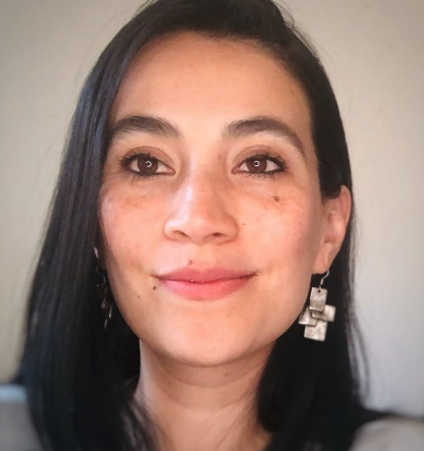 Emiliana Rodríguez-Morales