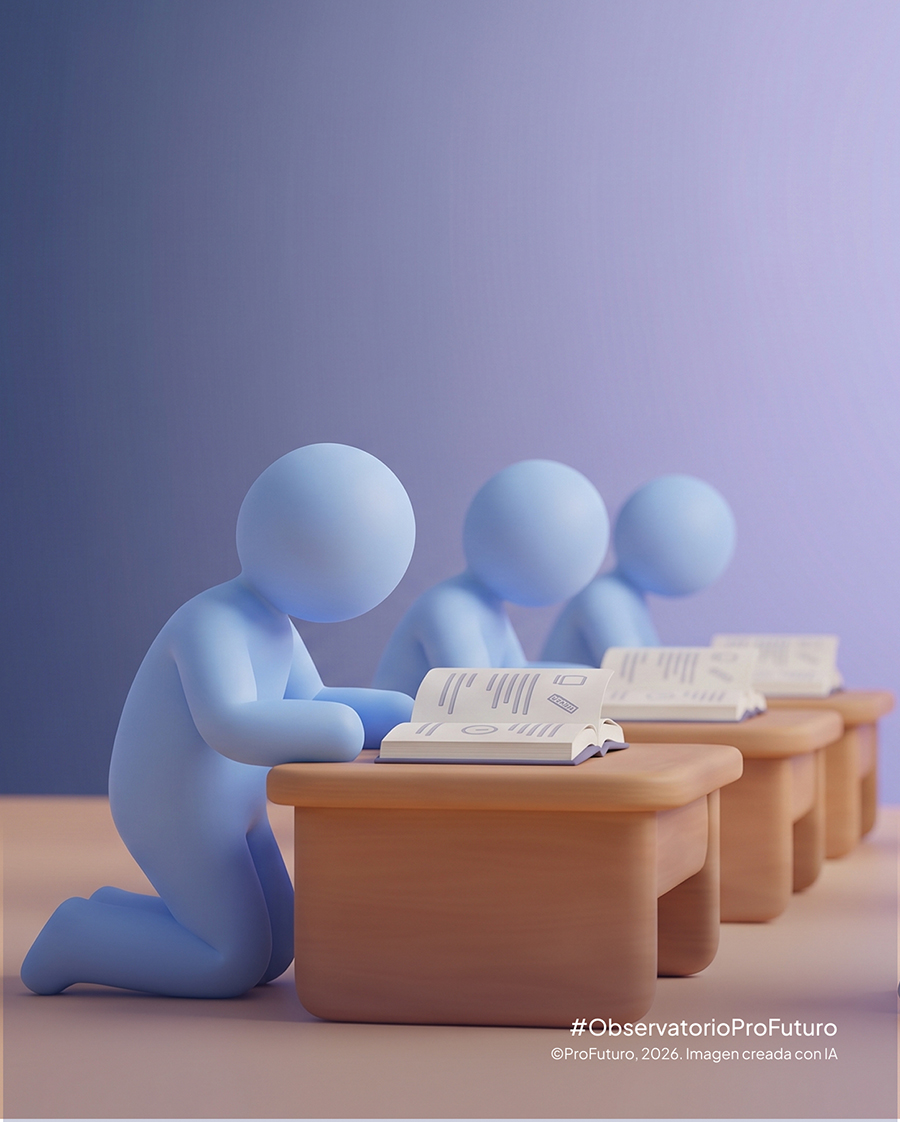
In February 2006, a British educator took the TED stage in Monterey, California, to speak about creativity. Sir Ken Robinson had spent years reflecting on the role of schools, talent, and learning. His 20-minute presentation, entitled Do Schools Kill Creativity?, followed an unusual trajectory for a talk on education. As YouTube expanded and TED gained international prominence, it reached millions of viewers and became part of teacher training courses, university programs, and discussions on educational innovation around the world.
Nearly twenty years later, the talk still occupies a unique place. It continues to appear in bibliographies, reading lists, and professional development programs. Many people are familiar with some of its stories—such as the little girl drawing God or the dancer Gillian Lynne—even if they have never watched the full presentation. Many of the ideas Robinson popularized remain central to educational debate. Creativity, the recognition of diverse talents, and the place of the arts in schools continue to feature prominently in conferences, publications, and teacher education programs.
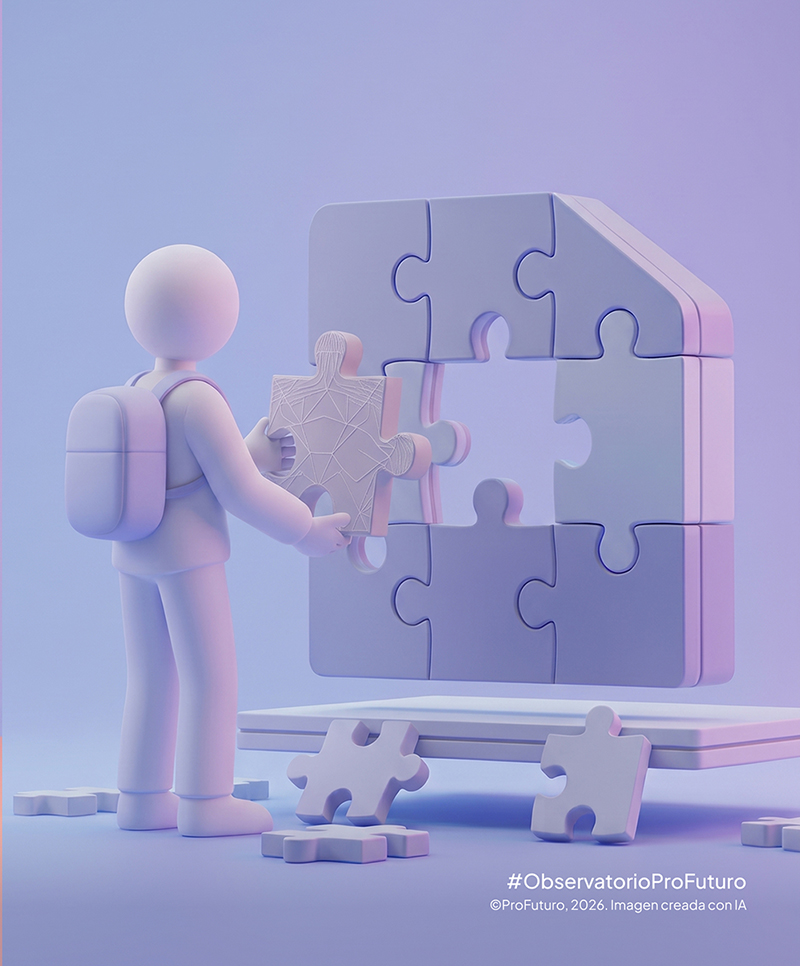
Returning to the talk today brings us back to the central idea underpinning Robinson’s thinking: school is not simply about transmitting knowledge. It also shapes the way students discover their abilities, interpret mistakes, and develop their potential. From this premise, Robinson built a reflection that influenced an entire generation of educators and continues to fuel debate today.
If You’re Not Prepared to Be Wrong, You’ll Never Come Up with Anything Original
Creativity is the starting point of Robinson’s entire talk. It is also the concept on which he builds his critique of the education system. From the very beginning, he introduces an idea that runs throughout his presentation: every child is born with an extraordinary capacity to imagine, experiment, and find unexpected answers. Education, he argues, should protect that capacity and help it flourish.
The story he uses to introduce this argument has become one of the most memorable moments in TED history. A six-year-old girl is quietly drawing in class. When her teacher asks what she is drawing, she replies matter-of-factly, “I’m drawing God.” “But nobody knows what God looks like,” the teacher says. “They will in a minute,” the girl answers. Robinson uses this anecdote to illustrate what he sees as a defining characteristic of childhood: children do not yet feel the need to have the right answer all the time. They are willing to experiment, imagine, and speak their minds without constantly calculating the consequences.
For Robinson, that confidence is the soil in which creativity grows. That is why he argues that every creative person must accept the possibility of being wrong. “If you’re not prepared to be wrong, you’ll never come up with anything original,” he says in one of the most frequently quoted moments of the talk. Put another way, every new idea begins in a space of uncertainty. Those who explore unfamiliar paths may succeed, revise their thinking, or discover that the solution lies elsewhere. Mistakes are part of that process.
From there, Robinson turns his attention to schools. His argument is that many education systems have created a culture in which mistakes simply have no place. From an early age, students learn that answers have different values, that some are right and others are wrong, and that assessment rewards precision. That logic is undoubtedly essential for many kinds of learning, as the very organization of schools implicitly recognizes. Yet it can also reduce the space available for forming hypotheses, taking intellectual risks, or exploring less conventional solutions.
According to Robinson, the consequences extend far beyond the classroom. Over the years, many adults learn to protect themselves from failure and eventually avoid situations in which they might test their own ideas. Creativity ceases to be understood as a capacity shared by everyone and instead becomes associated with an exceptional talent possessed by only a few. Robinson challenges precisely that view. For him, creativity is part of human intelligence and deserves a central place in education, just like literacy.
From that point onward, Robinson broadens the discussion and shifts his attention to the structure of the education system itself: the subjects it prioritizes, the talents it recognizes, and the idea of success it conveys to each generation of students.
A School Designed for Another World
Ken Robinson’s reflection goes beyond creativity. At the heart of his talk lies a broader question: why do schools value some abilities more than others? To answer it, Robinson traces the origins of modern education systems back to a very specific historical moment: the Industrial Revolution.
In his view, the school system we know today was designed to meet the economic and social needs of that era. Its mission was to prepare citizens and workers for a world that demanded order, discipline, and standardized knowledge. That legacy, he argues, is still visible in the way subjects are organized, learning time is structured, and students are assessed.
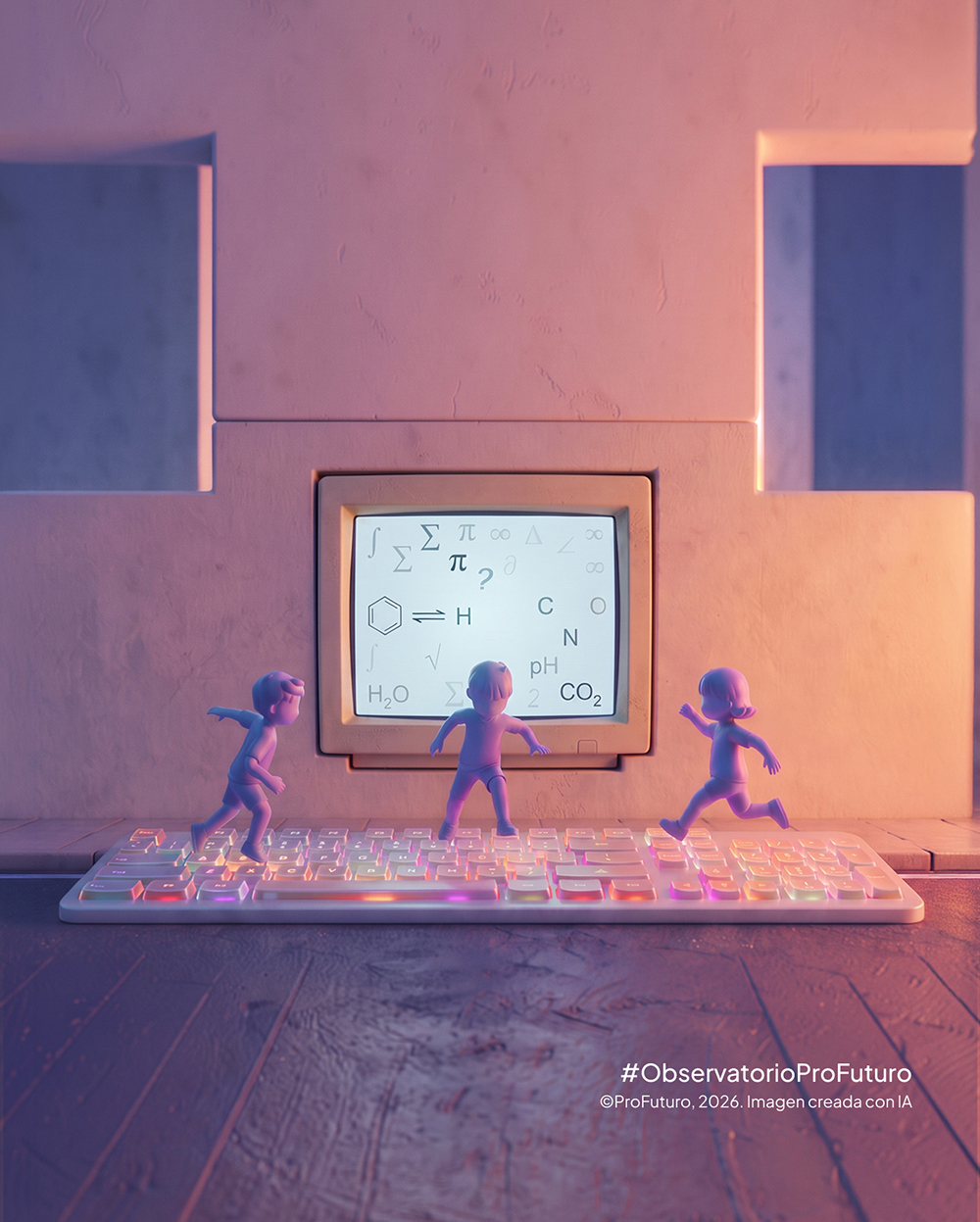
According to Robinson, that history has produced a hierarchy of knowledge that has changed very little. At the top are mathematics and languages, followed by the humanities and social sciences. The arts occupy a secondary position, and within them music and the visual arts often receive greater recognition than disciplines such as dance. Robinson does not question the importance of mathematics or languages. Rather, his criticism is directed at the implicit hierarchy schools communicate when some subjects are considered essential for academic success while others are relegated to complementary interests or extracurricular activities.
In his opinion, this model also reflects another deeply rooted assumption: that university is the natural destination of a good education. Robinson points out that many families and education systems organize schooling with that goal as their primary reference point. The result is a conception of success that is closely tied to academic achievement and access to higher education, while other forms of talent are given less opportunity to develop.
It is at this point that Robinson introduces the story of Gillian Lynne, the choreographer behind musicals such as Cats and The Phantom of the Opera. As a child, her teachers believed she had behavioral problems because she could not sit still in class. A specialist observed the way she moved, realized that her energy found its language through dance, and advised her mother to send her to a dance school. Robinson uses this story to show how what might have been interpreted as a difficulty became an extraordinary artistic career once it found the right environment.
The story of Gillian Lynne encapsulates one of the talk’s central ideas. Intelligence, Robinson argues, takes many different forms. Some people think best with words; others with numbers, images, sounds, or movement. An education system that recognizes only some of those abilities runs the risk of leaving others undeveloped.
From this perspective, Robinson is not proposing a confrontation between science and the arts, nor is he suggesting that mathematics or language should become less important. Rather, he invites us to broaden our understanding of intelligence and recognize that education means creating the conditions for every student to discover and develop their abilities in all their diversity.
The legacy of this talk extends beyond creativity itself. It lies in having compelled us to rethink what we mean by intelligence, what value we assign to different kinds of talent, and what we truly expect from schools.
Twenty Years of Conversation
Ken Robinson’s ideas have followed different paths over the years. Some have gained ground in educational policy. Others have found support in research. Still others continue to spark debate. Revisiting his talk allows us to trace that journey and see how the questions he raised have evolved.
The first concerns creativity itself. When Robinson argued that creativity should be given the same status as literacy, the statement sounded almost provocative. Two decades later, the landscape looks very different. Creativity has moved from the margins of educational discourse to become an explicit competency in many curricula and the subject of international assessment. In 2022, the OECD included creative thinking in PISA for the first time.
The assessment did not seek to determine who was creative and who was not. Instead, it measured the ability to generate diverse and original ideas, evaluate them, improve them, and apply them to different kinds of problems. This definition is revealing because it shifts the focus away from the notion of an innate talent and toward a competency that can be developed through practice and teaching.
Our understanding of the creative process has also changed. Robinson insisted that fear of making mistakes limited originality. Subsequent research has described that relationship with greater precision. Today we know that creative ideas rarely emerge fully formed on the first attempt. They are generated, tested, revised, and improved through successive iterations. This iterative logic occupies a central place in PISA’s own conceptual framework, which considers evaluating and refining ideas to be an inseparable part of creative thinking.
The third issue concerns intelligence. Robinson argued that schools tended to recognize only a limited set of abilities while overlooking others. That reflection remains part of educational debate, although today it is often framed differently. The discussion no longer revolves solely around the opposition between academic and artistic subjects, but around how to integrate knowledge, creativity, problem-solving, and collaboration. Indeed, one of the most interesting findings from PISA 2022 is that education systems achieving the strongest results in creative thinking also tend to perform well in mathematics, reading, and science. Creativity does not emerge as an alternative to disciplinary knowledge; it is built upon it and complements it.
Perhaps this is the main difference between Robinson’s 2006 talk and today’s conversation. Robinson helped place creativity at the center of educational debate. Twenty years of research have refined that idea. Today we are less concerned with choosing between creativity and knowledge, between science and the arts, or between imagination and rigor. The question now is how to build a school capable of developing all of these capacities in an integrated way. That debate remains open. Robinson helped initiate it. Subsequent research has continued to fill in the map.
Few educational talks have had a trajectory comparable to Do Schools Kill Creativity? Its legacy extends beyond creativity itself. It lies in having compelled us to rethink what we mean by intelligence, what value we assign to different kinds of talent, and what we truly expect from schools. Two decades later, that conversation is still very much alive.