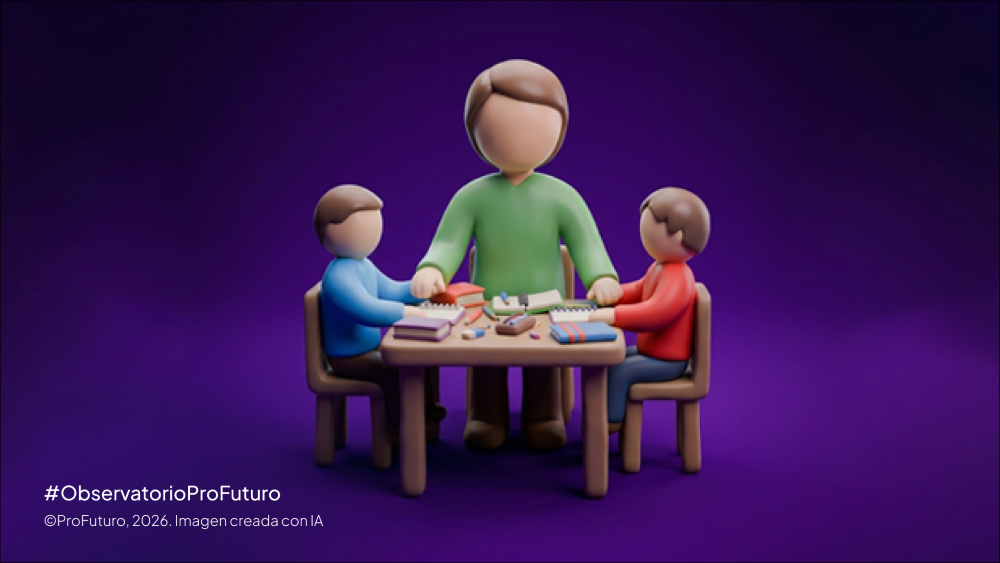
A student can finish school with good grades and have had very few chances to make their own decisions, work with people different from themselves or find out what they would like to do next. Some students face a more basic hurdle: they have barely had a chance to learn the essentials they need to continue their education. HundrED’s Global Collection 2027 brings together initiatives that address these issues and asks what they have in common.
The report’s answer is human flourishing, a term that captures the idea of developing to one’s full potential. It can sound abstract. The collection makes it more concrete by looking at what opportunities students have to learn, how they feel where they study and how much say they have in what happens there. It brings together experiences that are usually discussed separately. Helping students catch up, supporting mental health and training teachers all become part of the same conversation about the quality of education.
From 846 applications to one hundred innovations
This year’s call drew 846 proposals from 104 countries. The HundrED team shortlisted 151 initiatives from 59 countries and submitted them to its Academy for review. In all, 217 people from 70 countries, including young people, took part in the review and submitted a total of 3,586 assessments. The final collection brings together one hundred initiatives from 45 countries. To qualify, each initiative had to have been working with the people it serves for at least a year. HundrED assessed what each initiative improved in its own setting and how likely it was to expand or be adopted elsewhere.
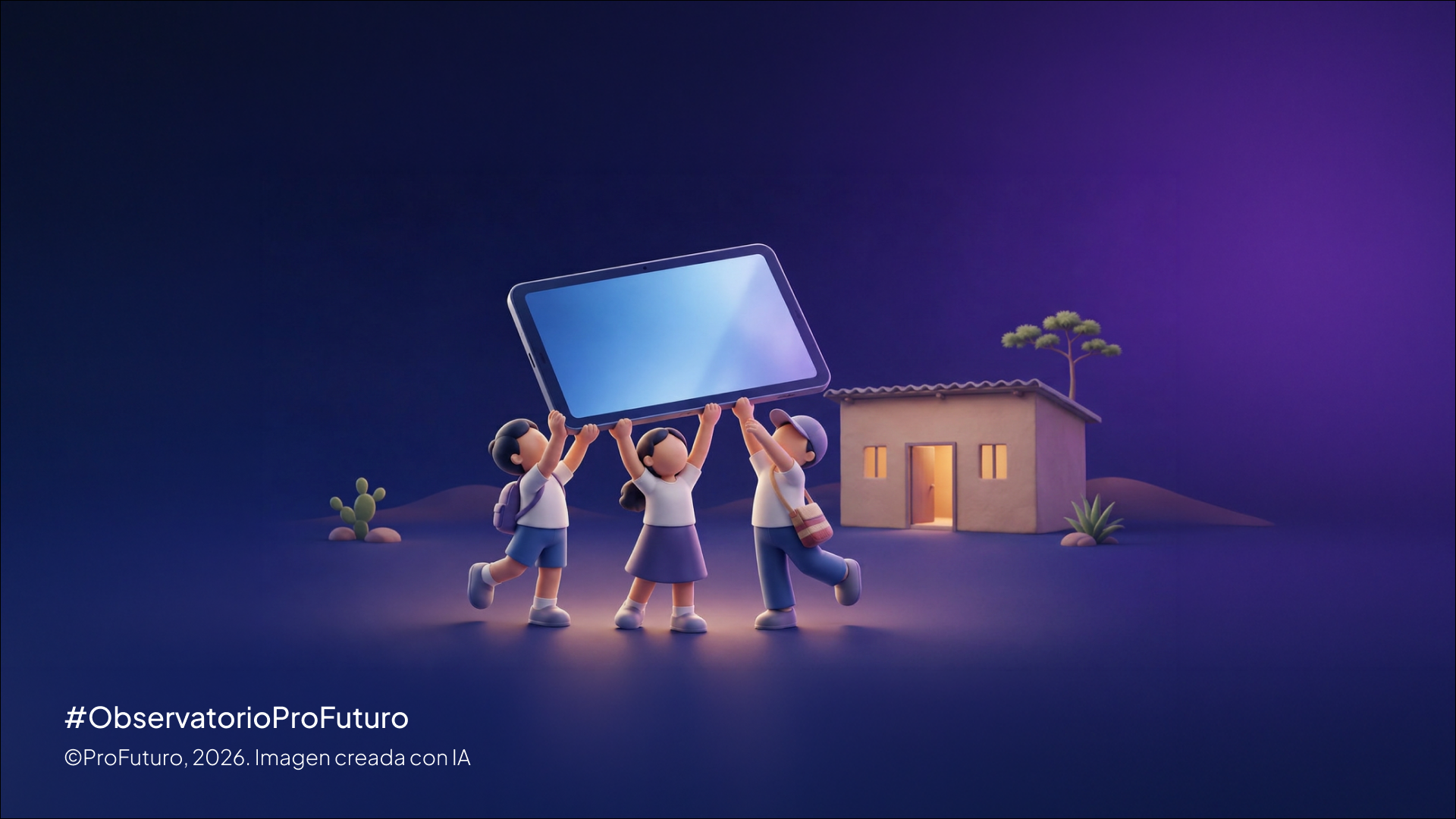
Asia is the most represented region in the collection, with 30 initiatives. It is followed by Europe (20), North America (19), Africa (18), South America (11) and Oceania (2). The report provides this breakdown for the selected projects. It also distinguishes where they began from how far they have spread. The hundred initiatives originated in 45 countries, and HundrED estimates that together they reach more than 152 million students across 212 countries and territories. A handful of projects account for a share of that reach. PhET’s science and math simulations alone, for example, reach 48.6 million students and are used in 192 countries and territories, according to the report.
What HundrED found this year
Alongside its review of the applications, HundrED asked its community what helps children and young people reach their full potential through education. It heard from 378 people in 83 countries, including young people, teachers and innovators. Project-based learning, student-centered teaching, experiential learning and social and emotional learning were among the most frequently mentioned practices. The report notes that respondents value these practices and say they still have a limited place in the day-to-day life of education systems.
Asked what makes these practices hard to adopt, respondents pointed mainly to a lack of learning opportunities and gaps in policy and implementation. They cited scarce resources, underinvestment in infrastructure and too little support and training for teachers. HundrED found common ground across the responses, though how much weight people gave each factor varied by country, local context and role in the education community. The survey brings those perspectives together.
The four themes that structure the collection came from a different source: the Academy’s comments during its review of the projects. Here the report moves from what the community says is missing to what the selected initiatives are doing in practice.
Four ways to support students’ development
A school project can begin with a question about the neighborhood and end with students having a say in a decision that affects them. Along the way, they have to do research, listen to their neighbors and reach an agreement. The same experience offers a chance to see what they have learned, how much confidence they have gained in speaking up and what ties they have built with their community. HundrED suggests looking at its hundred initiatives in this way, with an eye to what a single project can achieve on several fronts. Drawing on the Academy’s observations, the report organizes the collection around four themes: access and opportunity, personal growth and well-being, relationships and a sense of belonging, and environments that support learning.
Access and opportunity. The first theme covers everything from being able to attend school to what students can do once they get there. The report identifies barriers such as distance, cost, connectivity and a lack of accessible materials. It also looks at what happens when children are enrolled but need support that regular classroom instruction can rarely provide. This section accordingly brings together initiatives such as Teaching at the Right Level, which tailors some reading and math instruction to what students can already do, and projects that bring experiences within reach of schools that have had few chances to offer them. Skills on Wheels, for example, gives several schools in India shared access to a mobile workshop complete with equipment and instructors. For their students, hands-on training may be the first chance to try a trade before deciding whether to pursue it.
Personal growth and well-being. The second theme brings together initiatives that help young people recognize what they are capable of and look after their health. Some do this through play or the arts. Others build movement into the school day or create spaces where students can talk about what is worrying them. In Canada, APPLE Schools works with school communities to make healthy habits part of everyday life, giving students an active role in the process. HundrED’s idea of well-being includes being able to ask for help when needed and having opportunities to take on responsibilities suited to one’s age. School is one place where children can learn to do both.
Relationships and a sense of belonging. Who can a student turn to when they have a problem? Do they recognize anything of their own language or culture in what they study? The report looks at initiatives that make room for these questions in the day-to-day work of schools. Some bring children with and without disabilities together in shared activities. Others bring community stories and knowledge into lessons or help families turn ordinary moments into opportunities to talk, play or read together. As the collection shows, a sense of belonging also grows when students have something to contribute and find someone willing to listen.
Environments that support learning. The fourth theme looks at the conditions in which teachers work and students learn. That includes materials and spaces, along with the time teachers have to prepare a lesson, the support they receive and the information they can use to adapt their teaching. A training course can give a teacher a good idea for their next lesson. Putting it into practice and continuing to use it after the course ends takes a different kind of support. That is the challenge addressed by From Diagnosis to Practice: A Teacher Cycle, ProFuturo’s contribution to this edition of the collection. The cycle starts with an assessment of teachers’ skills, uses the findings to tailor their training and supports teachers as they put what they have learned into practice and sustain those changes over time.
Projects highlighted in this edition
PhET Interactive Simulations received the Academy’s highest rating. Developed at the University of Colorado Boulder, the project offers free science and math simulations in more than 130 languages, with options for offline use. HundrED singles out its reach and the chance it gives students to experiment on their own. Its value comes through in one simple exercise: change a variable, see what happens and try again.
The Youth Academy’s award went to Alsama Project. The initiative offers displaced young people who have been left out of the school system an accelerated six-year curriculum and an alternative way to earn a qualification. The report tells the story of Wissal, a young Syrian refugee who was living in Beirut’s Shatila camp at the age of thirteen. Six years later, she began studying psychology at York University in Toronto on a full scholarship. Her story shows why the program pays attention to qualifications. After making up for years of missed schooling, young people need a credential that lets them build on what they have learned and continue their studies.
Skills on Wheels, the mobile workshop in India, received the Expanding Horizons award. The three awards give a sense of the collection’s breadth. One recognizes a resource that makes classroom experiments possible. Another goes to a program that helps students resume an interrupted education. The third recognizes a way for schools to share expensive equipment. Why each project matters comes down to who can take up the opportunity and what they can do with it.
What this collection tells us
At the beginning of this article, science simulations shared the page with a program that helps young refugees return to education. After looking through the collection, it is easier to see why HundrED brings them together. A simulation lets students test an explanation and change their minds based on what they observe. Returning to education lets young people reclaim a decision they may have felt circumstances had already made for them: what they want to do next. In both cases, learning gives them a little more room to decide for themselves.
How much room they have depends largely on what their school makes available to them. To run an experiment, students need materials and time to try again. To return to education, young people need a place where they can feel like students again and a way to gain formal recognition for what they learn. This is where the report’s four themes come together. Access opens the door. The conditions in which students learn and the people who support them shape what each student can do once inside.
This brings into focus what HundrED calls human flourishing. Sometimes it begins with the freedom to try out an idea of your own in class. Over time, it can mean discovering that a life that once felt out of reach could be yours, too.


 ProFuturo Observatory Team